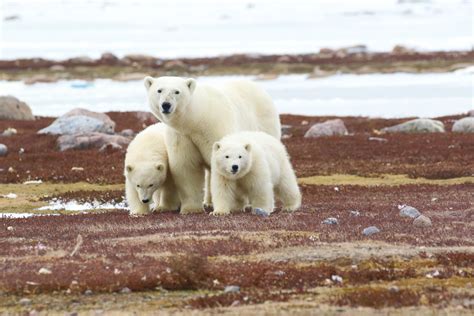
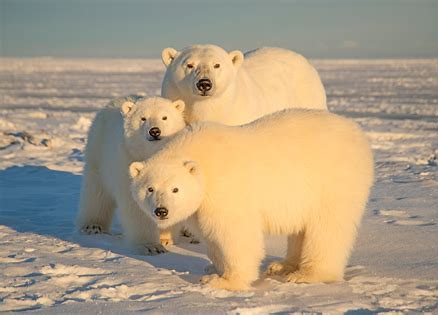
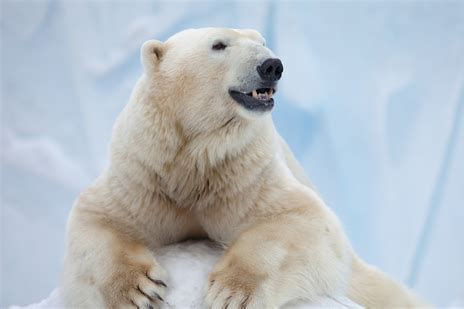
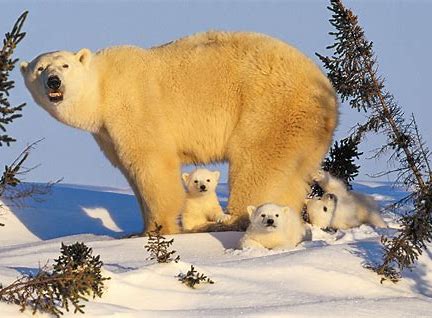
A “subgroup” population of polar bears, discovered recently in southeastern Greenland, may in fact be genetically distinct from other polar bears.
Scientists have accidentally come across a unique species of the polar bear, that apparently has not bred with other bear species. This new species of the polar bear has found a unique way to live within a normally unhabitable environment and survive.
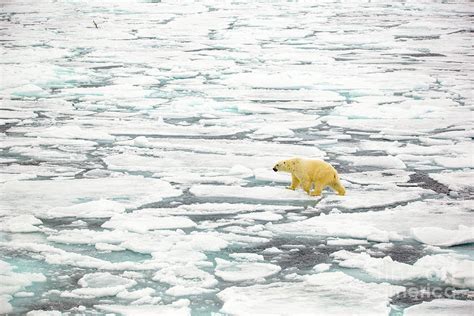
Polar bears use sea ice to hunt for their prey, mostly consisting of seals for survival, and the ice is only present approximately 100 days a year. Thankfully, polar bears can fast for up to 180 days, but without sea ice present, they would likely surpass their fasting time and risk starvation.
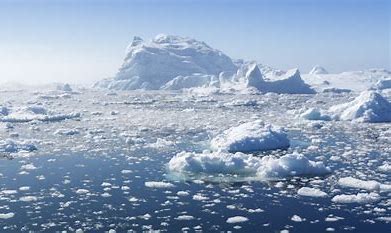
Instead, this recently discovered group of polar bears has found that instead of migrating to another area in search of sea ice, they are utilizing floating freshwater ice on a glacier front. This allows them to seek out seals from their breathing holes or sniff them out from above and break through the ice, just as they did with the sea ice.
There are some groups of polar bears that have been known to utilize freshwater ice less frequently, but this group of bears has discovered a unique way of depending on it for survival; their population would not survive without it, scientists say.
Biologists estimate that by the end of this century, most of the icy Arctic will see less than 100 days a year without ice. This is drastically less than the norm, leading to no ice means no seal hunting, leading to the potential of drastic starvation and distinction of our beautiful polar bears. To be certain, polar bears are now facing a painful and uncertain future.
There are only a few regions that offer these unique freshwater ice glaciers, and these regions could be further limited, based on continuing climate change and the rising temperatures in Greenland. It is still very crucial to take all actions now to slow climate change for the polar bears’ survival. It is further predicted that the polar bear population will decline by 30 percent over the next three generations, according to Kristin Laidre, a University of Washington scientist who studies the ecology and population of the Arctic.
Scientists are hopeful that with this newfound group of unique polar bears, and their genetic diversity among all bears, they will get more attention in regards to conservation efforts, which is a key factor in their survival.
4 thoughts on “The newly found Polar Bear ‘Subgroup’ is very special”
This website was… how do I say it? Relevant!!
Finally I have found something that helped me. Thanks!
I’m so glad you enjoyed it.
Good blog you have got here.. It’s hard to find good quality writing like yours these days.
I really appreciate people like you! Take care!!
Thank You so much! I’m glad you like it and hope you stick around for more great Adventures.