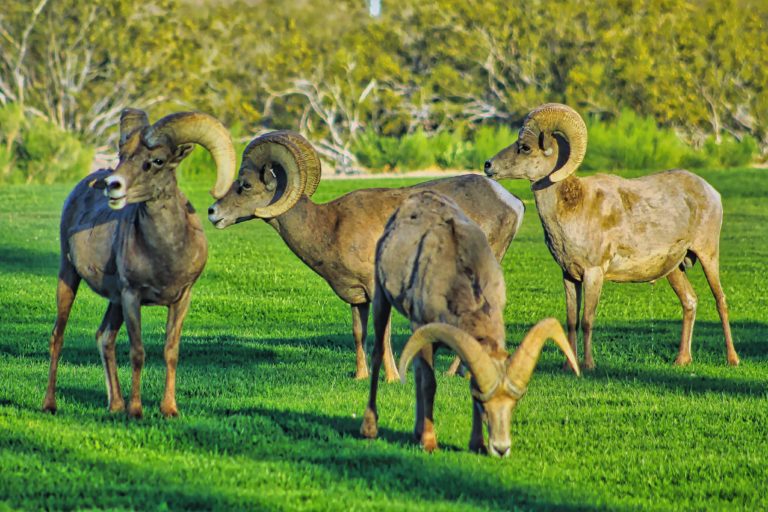
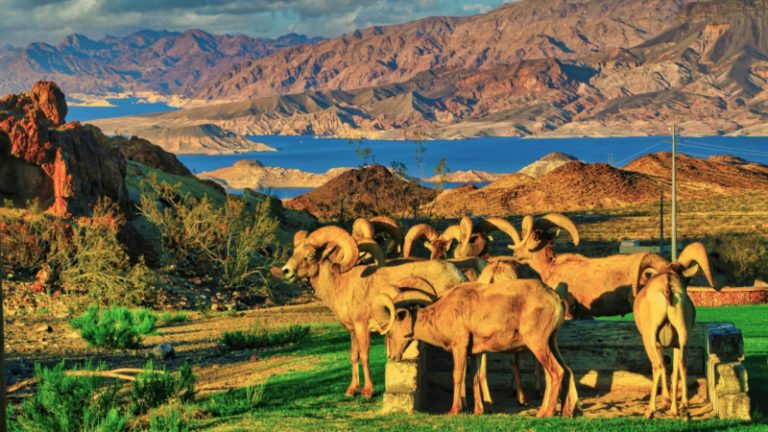
These stunning, magnificent desert animals can survive long periods of time, with minimal water intake, which makes them ideal for the desert environment.
Bighorn sheep, a native species to North America, are very alert and have keen eyesight which allows them to gauge the jumping and foothold distance for best accuracy and stability. Other moving animals can be seen up to a mile away. And they said I had perfect eyesight. Ha!
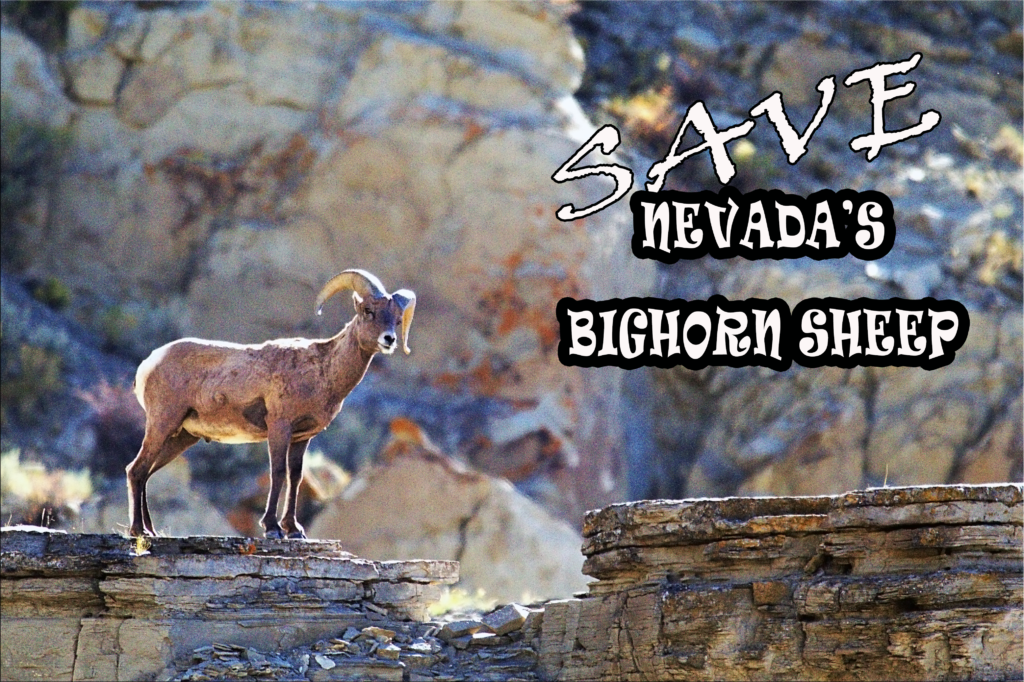
However, now there is a growing grave concern among wildlife scientists and practitioners about several diseases that spread like wildfire among our desert bighorn sheep, Nevada’s state animal.
And, in fact, if these diseases continue to go unchecked over time, they may severely impact herd and species survival.
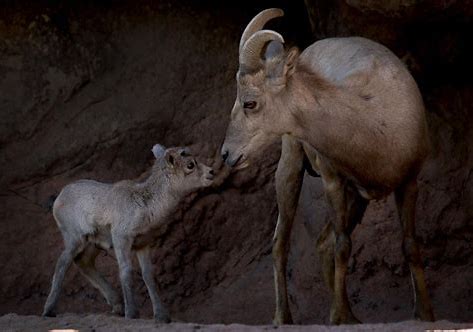
Pneumonia is said by experts to be the main cause of death within our bighorn sheep population, across the West Coast. The bacteria are spread from domestic sheep contacts through the herds of bighorn sheep, occurring at an alarmingly high rate, thus causing uncontrollable outbreaks and high mortality rates in lambs as well, through shedding. High lamb mortality rates can cause a decline in repopulation and eventually species extinction, if not controlled.
The Nevada Department of Wildlifehas spent considerable time and effort studying the pneumonia bacteria, trying to understand the process of mutation and initiate improvements in post-outbreak response recovery. It is known that some herds do recover, but others do not.
NDOW (Nevada Department of Wildlife) is working with several non-profit organizations to test the theory of chronic shedder removal. This will aid in decreasing the spread of the disease, by removing the sheep and lambs that appear to have excess shedding. Hopefully, the population will recover and avoid a decline in an already struggling population.
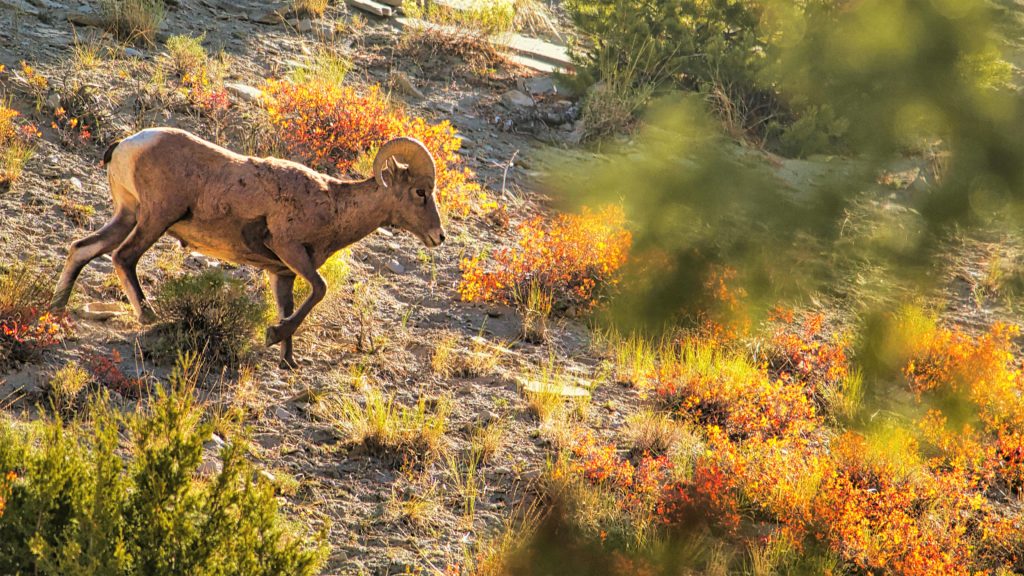
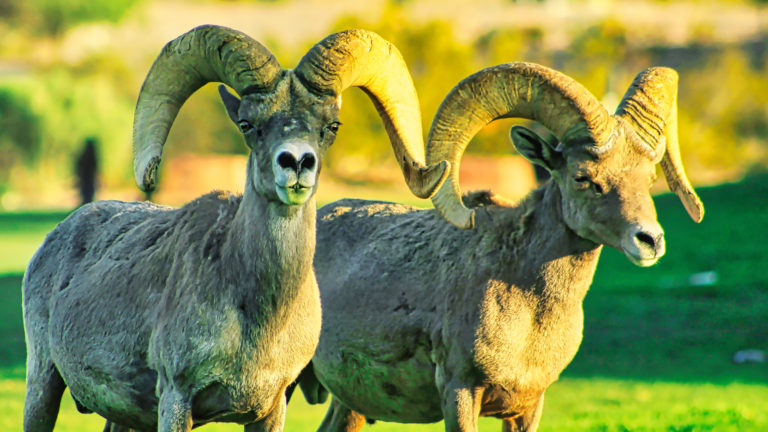
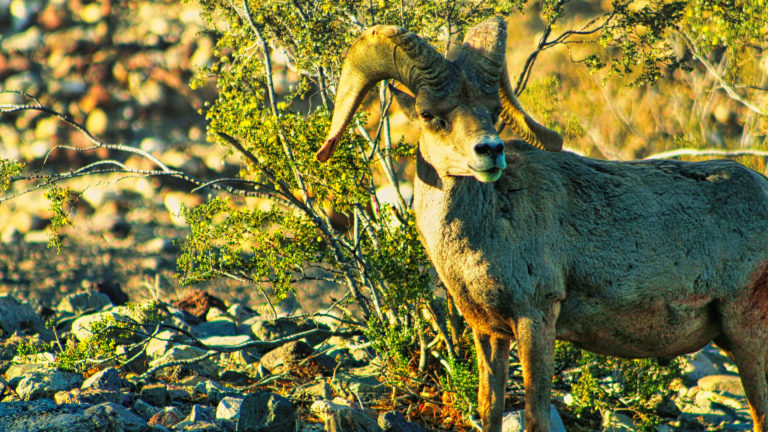
On one of my wildlife scouting adventures to Boulder City, I happened to run across these magnificent desert bighorn sheep migrating in the mountains, foothills, and valleys of Boulder City, Nevada. I was rewarded with many storytelling photos for my diligence and perseverance.
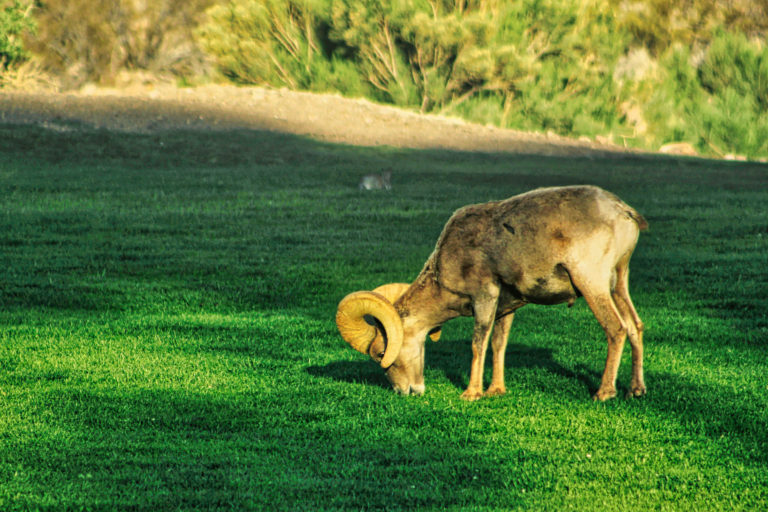
I estimated there were around 20 sheep in total, spread out amongst a field full of resplendent, bright green grass, approximately the size area of a football field. I remember the day clearly, it was a Tuesday, April 12, 2022, late in the afternoon, around 4:30 pm. The sheep were actively wandering, but suddenly they dropped their heads, almost in unison, and began grazing on the bright green grass; dinner time I assumed.
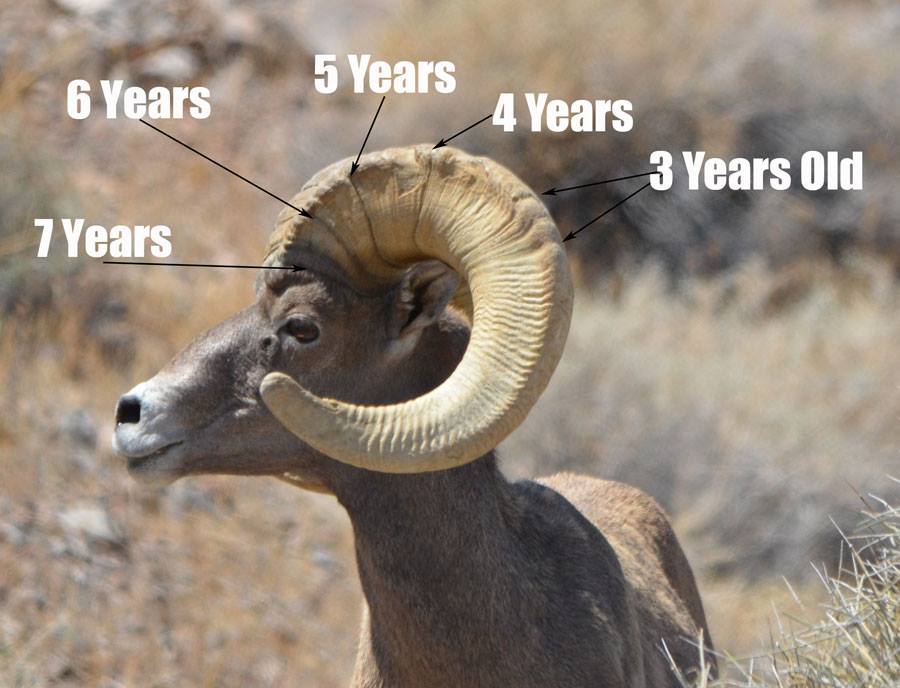
Although these bighorn sheep were feeding their bellies for supper, they were highly active. The majority were rams, about 15, and 5 were ewes. All of which were quite mature adults. Sadly, though, I did not see any lambs within this group. I looked around, searching, but am unsure where they could have been hiding or even if they are still alive. My worry is that this may confirm the steady dwindling of the bighorn sheep population over time that we are currently fighting. But, on a positive note, I did not notice any diseased animals; they all appeared healthy and full of life.
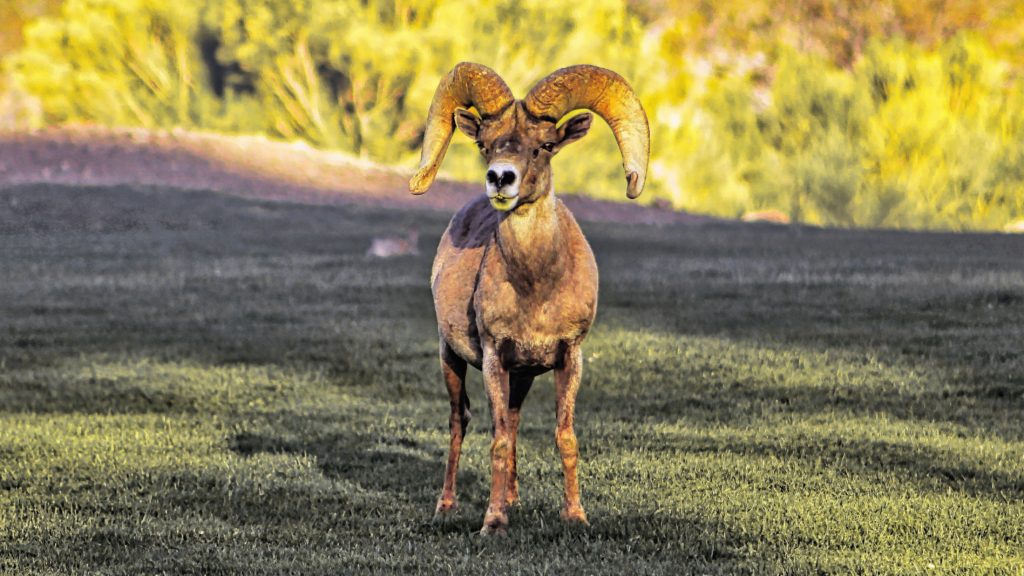
Although as humans we cannot see our hearts, we can on the nose of this bighorn sheep. And we can use our hearts to care about the Nevada sheep population and help them by any available means.
How can we help our Nevada desert bighorn sheep population? Glad you asked.
The better we understand our bighorn sheep population and learn more about the diseases affecting them, the more we know what to look for and can report anything that looks abnormal. So, if you see any signs of sheep coughing, sluggish, or dead, please report them immediately to NDOW. You can find their contact information on their website: Nevada Department of Wildlife – NDOW.